





Reforming the European Union budget: A social constructivist policy approach/ Mustafa Deniz ; Mustafa Deniz.
Language: English Series: Republic of Turkey Ministry of Finance Strategy Development Unit Issue No ; 2012/417.Publisher: Ankara : Republic of Turkey Ministry of Finance Strategy Development Unit 2012Description: xviii, 330 sayfa; 24 cmContent type:- metin
- aracısız
- cilt
- 9789758195572
- HJ2094 .D39 2012
| Cover image | Item type | Current library | Home library | Collection | Shelving location | Call number | Materials specified | Vol info | URL | Copy number | Status | Notes | Date due | Barcode | Item holds | Item hold queue priority | Course reserves | |
|---|---|---|---|---|---|---|---|---|---|---|---|---|---|---|---|---|---|---|
 Book
Book
|
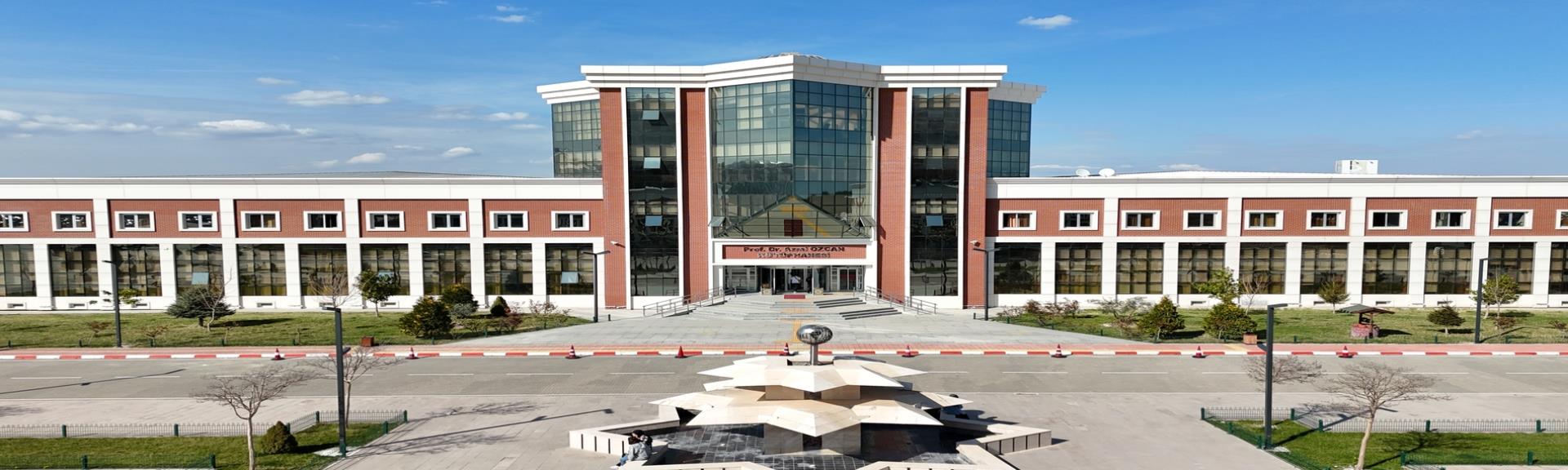
Prof. Dr. Azmi Özcan Kütüphanesi | Uluğbey Salonu | HJ2094 .D39 2012 (Browse shelf(Opens below)) | HJ | Available | Genel Bağış | 0035661 |
Includes bibliographical references.
FOREWORD.................................................................................................iii PREFACE......................................................................................................v LIST OF TABLES......................................................................................xiv LIST OF FIGURES.....................................................................................xiv LIST OF ANNEXES...................................................................................xiv ABBREVIATIONS......................................................................................xv PARTI THE EUROPEAN UNION BUDGET AND ITS REFORMING QUESTIONS........................................... 1 PART II THE HISTORICAL CONSTRUCTION OF THE EU BUDGET 2.1. Introduction.................................................................................13 2.2. First Years and the Budget of European Cool and Steel Community (1952-1957)..................... 16 2.3. Beginning of Path Dependency (1957-1970).............................. 18 2.4. An Attempt for a Social Constructive Budget: Independent Financing and Introduction of Own Resources (1970-1985).....25 2.5. Going to Turbulence, the Single European Act and the Second Decision on Own Resources 1985-1988 ....................................36 2.6. Filling the Budget with Path Dependencies and the First Financial Framework (Delors I) 1988-1992...............................38 2.7. The Financial Framework II (Delors II): 1993-1999..................45 2.8. The Beginning of a Debate for a Constructive Reform and Financial Framework III: 2000-2006..........51 2.9. Conflicts between Continuity of Path Dependency and the First Voices of Constructivism (Financial Framework IV: 2007-2013).................................................................................56 2.10. Conclusion.................................................................................60 PART III A SOCIAL CONSTRUCTIVE FRAMEWORK FOR THE EU BUDGET 3.1. Theoretical Approaches to the Analysis of the EU Budget.........64 3.2. The Fiscal Federalist Approach...................................................68 3.2.1. The Introduction of Federalism.............................................68 3.2.2. The Introduction of Fiscal Federalism...................................70 3.2.3. Fiscal Federalist Discourse in the EU Studies.......................73 3.2.4. Public Goods and an Assessment of the Budgetary Expenditures......................................81 3.3. Problems of the EU budget and Social Constructivism..............84 3.4. Conclusion...................................................................................91 PART IV IDENTIFYING THE FORMS AND NATURE OF THE EU EXPENSES 4.1. Introduction.................................................................................93 4.2. The Aims of Sustainable Growth................................................94 4.2.1. Competitiveness for Growth and Employment.....................95 4.2.1.1. Framework Programme.................................................95 4.2.1.2. Lifelong Learning..........................................................96 4.2.1.3. TEN-T and TEN-E........................................................97 4.2.1.4. Competitiveness and Innovation...................................97 4.2.1.5. Galileo...........................................................................98 4.2.1.6. Internet Plus...................................................................98 4.2.1.7. ID ABC...........................................................................98 4.2.1.8. Marco Polo II.................................................................99 4.2.1.9. Customs 2013................................................................99 4.2.1.10. Fiscalis 2013................................................................99 4.2.1.11. An Assessment for the Competitiveness for Growth and Employment..........................99 4.2.2. Cohesion for Growth and Employment...............................102 4.2.2.1. The ERDF....................................................................105 4.2.2.2. The ESF........................................................................106 4.2.2.3. The Cohesion Fund......................................................106 4.2.2.4. JASPERS.....................................................................107 4.2.2.5. JEREMIE.....................................................................108 4.2.2.6. JESSICA......................................................................108 4.2.2.7. An Assessment of Cohesion for Growth and Employment.......................................109 4.3. Preservation and Management of Natural Resources................114 4.3.1. Agriculture: Direct Aid and Market Support.......................115 4.3.2. Rural Development..............................................................116 4.3.3. European Fisheries Fund..................................................... 116 4.3.4. LIFE+..................................................................................117 4.3.5. An Assessment of Preservation and Management of Natural Resources....................117 4.4. Citizenship, Freedom, Security and Justice...............................123 4.4.1. Freedom, Security and Justice.............................................123 4.4.2. Citizenship...........................................................................127 4.4.2.1. Public Health Programme............................................127 4.4.2.2. Culture 2007 Programme.............................................127 4.4.2.3. Youth in Action............................................................128 4.4.2.4. Media 2007.................................................................. 128 4.4.2.5. Europe for Citizens......................................................129 4.4.2.6. Civil Protection Financial Instrument..........................129 4.4.3. An Assessment of Citizenship, Freedom, Security and Justice............................129 4.5. The EU as a Global Player........................................................131 4.5.1. European Neighbourhood and Partnership Instrument........132 4.5.2. Instrument for Pre-Accession Assistance............................132 4.5.3. Development Cooperation and Economic Cooperation Instrument........................133 4.5.4. Instrument for Stability........................................................134 4.5.5. Humanitarian Aid................................................................134 4.5.6. Macro Financial Assistance.................................................134 4.5.7. Common Foreign and Security Policy.................................135 4.5.8. An Assessment of the EU as a Global Player......................135 4.6. Administration...........................................................................136 4.6.1. An Assessment of "Administration" Heading of the EU Budget............................................136 4.7. Compensation............................................................................136 4.8. Conclusion.................................................................................137 PART V IDENTIFYING THE FORMS AND NATURE OF THE EU REVENUES 5.1. Introduction...............................................................................142 5.2. Path Dependency and the Revenues of the EU Budget............147 5.3. Identifying the Forms, Nature and Questions of Own Resources.....................................150 5.3.1. Identifying the Forms, Nature and Questions of Traditional Own Resources.....................................152 5.3.2. An Assessment of Traditional Own Resources...................155 5.3.3. Own Resources Accruing from Value Added Tax..............157 5.3.4. An Assessment of VAT Based Own Resources..................158 5.3.5. Own Resources Based on Gross National Income..............160 5.3.6. An Assessment of Own Resources Based on Gross National Income......................................161 5.4.
Other Revenues.........................................................................162 5.4.1. Surpluses, Balances and Adjustments.................................162 5.4.1.1. Revenue Accruing From Persons Working with the EU.................................................163 5.4.1.2. Revenue Accruing From the Administrative Operation of the Institutions.....................163 5.4.2. Contributions and Refunds in Connection With EU/Community Agreements and Programmes.......163 5.4.3. Interest on Late Payments and Fines...................................164 5.4.4. Borrowing and Lending Operations....................................164 5.4.5. Miscellaneous Revenue.......................................................164 5.4.6. An Assessment of Other Revenues.....................................164 5.5. British Rebate and Path Dependency........................................164 5.5.1. An Assessment of British Rebate........................................165 5.6. Conclusion.................................................................................166 PART VI THE ANALYSIS AND REFORM PROPOSALS FOR THE EU BUDGET: A SOCIAL CONSTRUCTIVE VIEW 6.1. Introduction...............................................................................168 6.2. Reviewing Significant Reform Proposals.................................173 6.3. Analysis and Social Constructive Reforms for the EU Expenses.................................................176 6.3.1. Introduction.........................................................................176 6.3.2. Analysis and Reform Options of Competitiveness Policy .. 179 6.3.3. Analysis and Reform Options of Cohesion Policy..............186 6.3.4. Analysis and Reform Options of Agriculture Policy...........198 6.3.5. Analysis and Reform Options of Budgetary Administration.............................207 6.3.6. Increasing Social Constructive Expenditures......................210 6.3.6.1. CFSP in the Future Budget....................................................213 6.4. Social Constructive Reforms for the EU Revenues..................215 6.4.1. Introduction.........................................................................215 6.4.2. Analysis and Reform Options of Traditional Own Resources.................................................220 6.4.3. Analysis and Reform Options of Own Resources Accruing from Value Added Tax.............................221 6.4.4. Analysis and Reform Options of Own Resources Based on Gross National Income...........................228 6.4.5. Analysis and Reform Options of British Rebate.................229 6.4.6. Increasing Social Constructive Revenues............................232 6.5. Social Constructive Reforms for the Institutional Level Problems............................................234 6.5.1. Is Stabilization Function Necessary for European Integration?.....................................234 6.5.2. Analysis and Reform Options of the Size of the Budget.....237 6.5.3. The Question of Juste Retour..............................................239 6.5.4. Other Institutional Level Problems......................................240 6.6. Consolidated Analysis of Reform Proposals and Conclusion... 244 PART VII CONCLUSION................................249 AVRUPA BİRLİĞİ BÜTÇESİ REFORMU: BİR SOSYAL İNŞACI POLİTİKA YAKLAŞIMI (Türkçe Özet)............259 BIBLIOGRAPHY......................................................................................298.
There are no comments on this title.